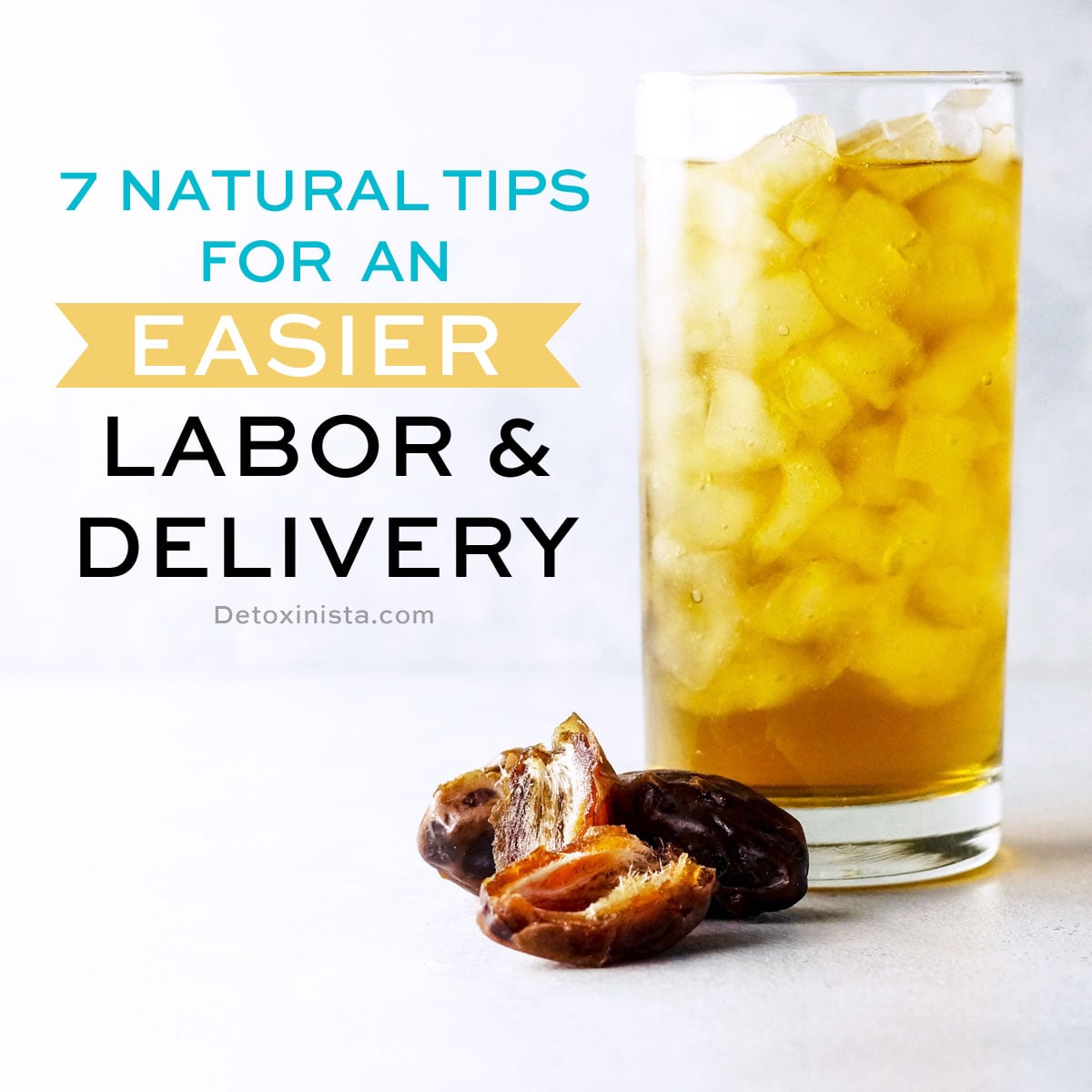
Natural Labor Relief: 7 Tips for a More Comfortable Birth
Bringing a new life into the world is an extraordinary journey, often described as one of the most profound experiences a person can have. While labor and delivery are natural physiological processes, they can also be physically demanding and emotionally intense. Many expectant parents seek ways to navigate this experience with greater comfort, confidence, and a sense of empowerment. The good news is that there are numerous natural methods to ease discomfort and promote a smoother birth. This article delves into 7 natural tips for an easier labor delivery, offering practical advice to help you prepare your body and mind for this incredible event.
Embracing natural labor relief isn't about avoiding all pain, but rather about managing sensations, staying present, and working with your body's innate wisdom. By understanding and utilizing these strategies, you can foster a more positive and comfortable birthing experience.
Understanding Labor and Embracing Comfort
Labor is a marathon, not a sprint, and your body is perfectly designed for it. However, the intensity of contractions can be overwhelming without proper coping mechanisms. Pain in labor is multi-faceted; it's physical, emotional, and psychological. Recognizing this allows us to approach comfort from various angles. The goal of natural labor relief is to minimize distress, conserve energy, and allow the labor process to unfold as efficiently as possible. It's about empowering you to actively participate in your birth, rather than feeling like a passive recipient.
For many, the idea of a "natural" birth resonates deeply, symbolizing a connection to ancient wisdom and a trust in the body's capabilities. These 7 natural tips for an easier labor delivery are not just about pain reduction; they're about enhancing your overall well-being and sense of control during one of life's most significant transitions. Preparing effectively can truly transform your birth experience. For more insights on this journey, consider exploring Natural Tips for an Easier Labor & Delivery Journey.
Preparing Your Body and Mind for Labor
Preparation is key to a more comfortable labor. Just as you wouldn't run a marathon without training, preparing for birth involves both physical conditioning and mental readiness.
1. Comprehensive Prenatal Education & Birth Plan
Knowledge is power, especially when it comes to birth. Attending comprehensive prenatal classes, such as Lamaze, Bradley Method, or Hypnobirthing, can equip you with invaluable tools. These classes teach about the stages of labor, pain coping strategies, breathing techniques, and what to expect. Understanding the physiological process can demystify labor and reduce fear, which often amplifies pain.
Beyond education, creating a birth plan can be a powerful exercise. It allows you to think through your preferences for labor positions, pain management, environment, and immediate postpartum care. While flexibility is crucial (birth rarely follows a script perfectly), having a plan communicates your wishes to your birth team and helps you feel more in control. Discuss your preferences with your partner, doula, and healthcare provider to ensure everyone is on the same page.
2. Stay Active & Hydrated Throughout Pregnancy
Maintaining a healthy, active lifestyle throughout pregnancy can significantly impact your labor experience. Regular, moderate exercise – such as walking, swimming, prenatal yoga, or dancing – strengthens your core, improves stamina, and helps your body prepare for the physical demands of labor. Stronger muscles can lead to more effective pushing and a quicker recovery. Consult your doctor or midwife before starting any new exercise routine.
Equally important is staying well-hydrated. Dehydration can lead to fatigue and make contractions less efficient. During labor, adequate fluid intake helps maintain energy levels and prevent muscle cramps. Keep a water bottle handy and sip frequently, especially as your due date approaches and during labor itself. Incorporating electrolyte-rich fluids like coconut water or clear broths can also be beneficial.
Effective Pain Management During Labor
Once labor begins, active strategies can make a profound difference in managing discomfort. These techniques focus on working with your body's rhythm.
3. Movement & Positional Changes
The saying "movement is medicine" holds true in labor. Lying flat on your back can intensify pain and slow labor progression. Gravity is your friend! Remaining upright and mobile can help the baby descend, encourage cervical dilation, and alleviate back pain. Experiment with various positions:
- Walking: Gentle walking during early labor can help gravity do its work.
- Rocking: On a birth ball, in a rocking chair, or swaying gently can provide rhythm and comfort.
- Squatting: Opens the pelvis by up to 30%, creating more space for the baby.
- Hands and Knees (All Fours): Excellent for back labor, taking pressure off the spine and allowing easier rotation of the baby.
- Standing and Leaning: Leaning over a bed, partner, or birth ball can offer support and a sense of relief.
- Slow Dancing: Swaying with your partner can be both comforting and help with hip movement.
Listen to your body and change positions frequently. Your birth team can also suggest positions based on your labor progression and the baby's position.
4. Hydrotherapy (Warm Water)
The soothing power of warm water is a highly effective natural pain reliever. Taking a warm shower or bath can help relax tense muscles, reduce the perception of pain, and provide a sense of weightlessness. The buoyancy in water can allow for easier movement and positional changes, reducing pressure on your joints and back. Many birthing centers and hospitals offer labor tubs or showers for this purpose. If you're considering a water birth, discuss this option with your healthcare provider well in advance.
A warm compress or washcloth applied to your lower back, abdomen, or perineum can also provide targeted comfort during contractions.
5. Breathing Techniques & Relaxation
Conscious breathing is a cornerstone of natural labor coping. Intentional breathing patterns can help you stay calm, manage pain, and ensure adequate oxygen supply to your muscles and baby. Different techniques work for different stages of labor:
- Slow, Deep Breathing: During early labor, focus on slow, deep breaths, inhaling through your nose and exhaling slowly through your mouth. This promotes relaxation and helps conserve energy.
- Light, Accelerated Breathing: As contractions intensify, you might transition to shallower, more rapid breaths, often with a "hee-hoo" pattern, to ride the peak of the contraction.
- Visualization: Combine breathing with visualization. Imagine a wave washing over you with each contraction, or visualize your cervix opening like a blooming flower.
Pair breathing with relaxation. Between contractions, try to fully relax your body, especially your jaw, shoulders, and perineum. Tensing up can actually slow labor and increase pain. Practices like mindfulness meditation, progressive muscle relaxation, or simply focusing on a calming thought can be incredibly beneficial. For more strategies on how to incorporate natural methods, explore Empower Your Birth: 7 Natural Steps for Easier Delivery.
Support and Sensory Comfort
Beyond physical techniques, the environment and the people around you play a crucial role in your comfort during labor.
6. The Power of Touch & Massage
A caring touch from a partner, doula, or loved one can be incredibly comforting and therapeutic during labor. Massage can help release endorphins, the body's natural painkillers, and alleviate muscle tension. Focus on areas that tend to carry tension during labor, such as the lower back, shoulders, neck, and feet.
- Counterpressure: Applying firm, steady pressure to the sacrum (lower back) can significantly relieve back labor pain.
- Effleurage: Light, circular stroking of the abdomen during or between contractions can be soothing.
- Foot/Hand Massage: A gentle massage can be wonderfully relaxing and a welcome distraction.
Communicate clearly what kind of touch feels good and when. Sometimes, simply holding hands or having a comforting presence nearby is enough.
7. Create a Calming Environment
Your environment significantly impacts your ability to relax and cope with labor. A calm, private, and supportive atmosphere can help labor progress more efficiently by reducing stress hormones (like adrenaline) and promoting oxytocin, the hormone responsible for contractions.
- Dim the Lights: Harsh lighting can be jarring. Opt for soft, natural light or dim the room.
- Soothing Sounds: Play relaxing music, guided meditations, nature sounds, or use white noise to block out distractions.
- Aromatherapy: Certain essential oils (e.g., lavender for relaxation, peppermint for nausea, frankincense for grounding) can be diffused safely. Always use high-quality, therapeutic-grade oils and consult with your provider or an aromatherapist.
- Personal Items: Bring familiar items from home like a favorite pillow, blanket, or photos to make the space feel more personal and comforting.
Minimizing disruptions and ensuring privacy can help you stay in your birthing "zone," allowing your body to do its vital work without interruption.
Embracing these 7 natural tips for an easier labor delivery can transform your birth experience. From prenatal preparation to active coping strategies during labor, each tip contributes to a sense of empowerment and comfort. Remember, your body is capable, and you have many tools at your disposal to navigate this incredible journey. Trust your instincts, lean on your support team, and embrace the power of natural methods for a more comfortable and fulfilling birth experience.
